
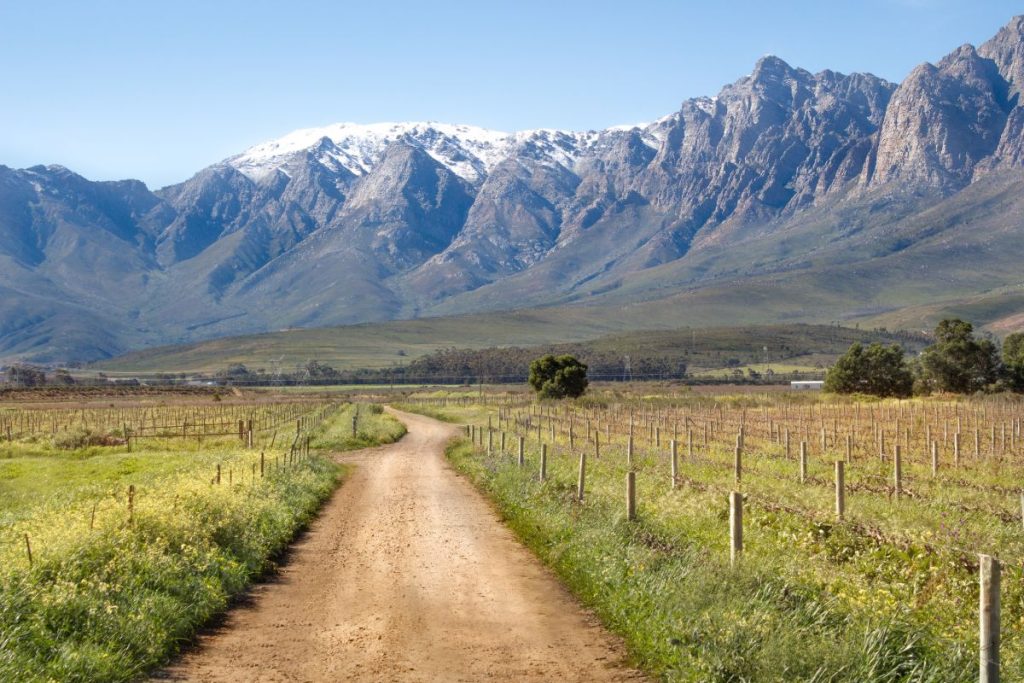
While the use of renewable and locally sourced materials is a fairly old practice, it’s only in more recent years that modern societies around the world have begun to construct their homes and eco cabins from sustainable materials. While modern technology and innovative new artificial construction materials allow for today’s structures to grow larger and more complex, they aren’t necessarily always the best option.
In recent years, multi-national construction companies, engineers and architects have become aware of the ecological impact construction projects can have on the environment. Which has encouraged the rise of eco-buildings and re-visiting sustainable methods and techniques to build comfortable and environmentally friendly dwellings.
In this quick read, we’ll be outlining sustainable design systems in eco lodges and sustainable tourism. We will also look to explore the influence of technological improvements on sustainable ecological campaigns and how modern innovation is beneficial for new cabin designs.
Innovative Sustainable Design In Eco Cabins
The innovation of sustainable design in eco cabins has changed how we coexist with the natural world through the use of locally sourced materials from regional businesses. By choosing local materials, there is direct support given to the local economy. The reduction in transportation transmissions is not only another green benefit, but also can help save on costs.
The use of natural elements in outdoor and indoor living spaces offers a closer and more unique existence with nature. Biophilic and organic designs can be combined with modern modular or prefabricated structures to create sustainable structures. All of these aspects combined encourage mindful living while coexisting with the local environment.
Use Of Renewable And Locally Sourced Materials
As mentioned, the use of renewable materials for cabin building is nothing new. Cultures around the world have perfected natural buildings by making use of their environment and the natural resources around them. Countries in the Far East and Southeast Asia have made use of bamboo fibres for insulation and thermal regulation for millennia, while European countries have made use of animal by-products like wool to keep out the cold.
By using readily available natural materials in your environment, not only do you save money, but you’re also able to construct a natural structure which works with its surrounding ecological environment. Green walls and roofs assist in reclaiming natural spaces while sustaining them and the use of local quarried stones and regional timber reduce transportation transmissions.
Integration Of Biophilic And Organic Design Elements
Biophilic design refers to the integration of other organic materials in natural buildings or eco cabins. This is accomplished by using materials like wood within the building of the structure. The use of living walls or green spaces has become very popular, both indoors and outdoors, creating vibrant, visually calming spaces that improve overall quality. Designing with nature in mind and prioritising the use of renewable resources reduces the structure’s footprint.
Modular And Prefabricated Construction
Advancements in building technology have directly influenced the increase of modular structures which are designed with sustainability in mind. These cost-effective, eco-friendly cabins reduce energy consumption and minimise construction time. Most of the designs are transported to the site and assembled in a few days.
Modular designs offer customisation, allowing for the freedom to create the perfect unique eco cabins. These high-quality constructions incorporate energy-efficient systems like solar panels. Modern prefabricated and modular eco lodges can be more cost-effective due to minimum maintenance.
Technological Advances Driving Eco Cabin Sustainability
The advancement of building technology is revolutionising eco cabins and natural lifestyles. Smart home technologies are capable of optimising energy consumption. Net zero and off-grid solar systems allow eco lodges to be completely independent of public grids, which is beneficial due to the rising costs of electricity.
Waste management systems are far easier to implement with simplistic and impactful methods. Rainwater harvesting is among the easiest solutions. By combining the aspects of optimised energy consumption, waste management and water conservation, eco cabins can offer complete sustainable living immersion.
Net Zero Energy And Off-Grid Capabilities
Net zero energy focuses on offsetting energy consumption by generating renewable energy while connected to the grid. Eco cabins with the correct off-grid systems can not only produce all of their own energy consumption, but possibly feed additional energy back into the grid. Eco cabins with net zero designs are still able to receive power from the grid if necessary.
Off-grid systems are entirely independent of the public grid and self-generate all power used. Excess power is stored by use of modern battery systems. Storing excess energy in batteries is essential for later usage. Eco lodges with these capabilities are especially cost-effective in the long run, saving on energy costs.
Smart Home Technologies For Energy Optimisation
Advanced smart technologies have revolutionised energy optimisation in the home. Solar energy and smart grid management systems control the energy consumption of devices in cabins. Smart plugs, smart appliances, thermostats and lighting can all be tracked for energy consumption while maintaining performance.
Motion sensors installed in these eco cabins monitor movement and ensure lights are only used when needed. These systems drastically reduce and aid individuals, saving on their energy consumption while contributing to a better, greener environment. Modern reduced-energy appliances like the ENERGY STAR-rated appliances also aid in reducing energy usage.
Water Conservation And Waste Management Systems
Water conservation might seem like a daunting topic to most and discouraging to those considering implementing it. Nonetheless, times have changed, and there are more convenient systems available on the market than ever. From rainwater harvesting and greywater recycling, eco lodges have the advantage of being completely sustainable when it comes to water conservation.
Rainwater can be collected from rooftops for irrigation or toilet flushing. Some eco-cabin systems are so structurally advanced that they have built-in biological filtration systems. This method makes use of natural filtration methods to minimise waste before it is returned to the environment.
Additionally, composting is another form of waste management that has been used and implemented for centuries, helping to recycle organic waste. Organic materials such as food scraps and garden debris can be used in these composting systems and turned into fertilisers. Fertilisers are essential as they can be used in landscaping, fruit orchards or vegetable gardens. Recycling offers a solution to waste products like glass and plastic, preventing waste which cannot naturally disintegrate from ending up in landfills. Another organic recycling method is natural filtration systems like reedbeds and banana circles, which filter grey water and can be reused for irrigation purposes.
Eco Cabins And The Future Of Sustainable Tourism
Eco Lodges like Eco Cabins Western Cape promote fully immersive, low-impact lifestyles by encouraging mindful consumption, environmentally friendly practices and education on leading a sustainable lifestyle. Cabin Lodges encourage and practice the support of local communities through sourcing local products, involvement in conservation efforts and the employment of local staff. By bringing awareness to local cultures, these initiatives help preserve traditions and contribute to ecotourism.
Immersive nature experiences allow for guests to restore and unwind, a true gateway from city life with all its stressors. Eco Cabins Western Cape offers tranquil luxury mountain cabins in the serene Rooiberg mountain scape.
Promoting Minimalist And Low-Impact Lifestyles
Eco Cabins promotes sustainability by encouraging guests to practise mindful consumption and reflect on the importance of respecting nature. Digital guidelines or brochures can be provided to inform and educate guests on topics like composting, recycling and more. This enables guests to not only practise sustainable living, but also experience the interconnectedness of low-impact lifestyles and nature as well as promote local farmers and craftspeople that align with their values.
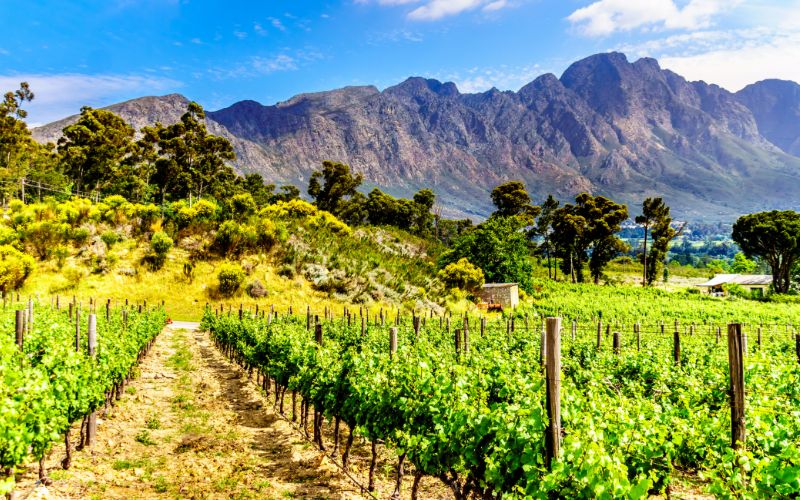
At Eco Cabins Western Cape, we offer full immersion experiences in our luxury cabins nestled in the Breedekloof Valley. We recommend visitors explore the landscape and surrounding wine farms in support of local farmers and enterprises. Through collaboration with local farmers and in support of nature conservation, we can live in harmony with the natural world.
Supporting Local Communities And Conservation
Eco Cabins is passionate about sourcing local products, cultural preservation, minimising environmental impact and hiring local staff. This benefits the community by offering employment opportunities, supporting local businesses and contributing to the local economy. Some eco lodges might encourage guests to participate in local activities and engage with locals, experiencing cultural exchange and preserving local traditions.
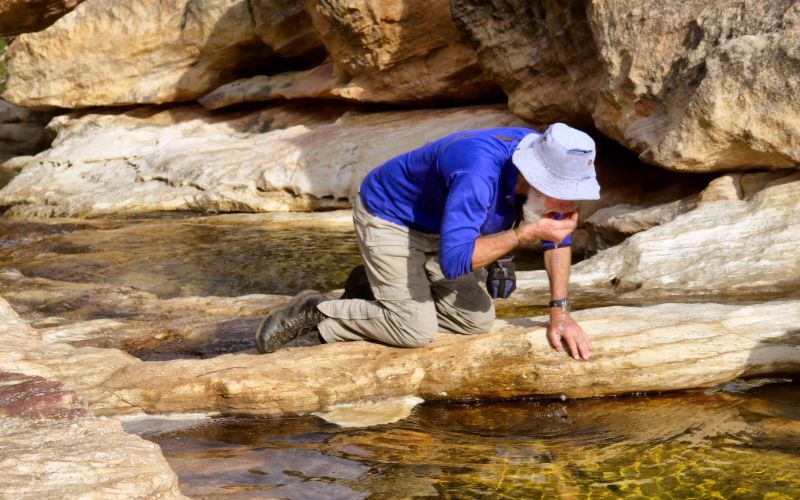
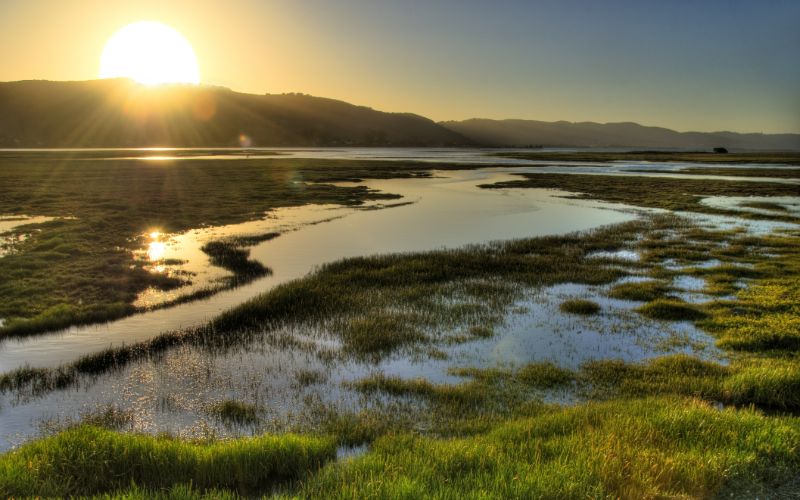
By minimising the overall environmental impact, eco cabins are raising awareness and educating guests about the local environment, which contribute to sustainable tourism and wildlife protection. Some eco lodges participate in wildlife conservation through wildlife research projects and anti-poaching patrolling. At Eco Cabins Western Cape, the natural landscape has been left untouched, allowing fauna and flora to flourish naturally and peacefully. Our range of natural fynbos is a significant point of interest to botanist enthusiasts and conservationists.
Offering Unique, Immersive Nature Experiences
Our serene eco cabins nestled on the slopes of the Rooiberg mountain offer a complete immersion in eco-living and tranquility. The Breedekloof Valley is known for its wine farms, craft foods and flowers, offering plenty of local opportunities to explore and enjoy. These eco cabins offer an environment to unplug and reset, a retreat from the busy world and modern society. Our secluded mountain retreat borders 8000 ha of perfectly untouched mountain wilderness – where you can experience the true beauty of nature in the Western Cape. Guests can enjoy amenities such as hot tubs and mountain pool bathing to relax and unwind in a restorative environment.
Embracing A Greener Future With Eco Cabins
The use of sustainable and environmentally friendly designs of eco cabins combined with smart technology and advanced renewable systems create the perfectly convenient, independent and sustainable structures. With renewable energy systems and the use of natural resources, eco cabins are highly sustainable, especially since their biophilic design and modular construction offer cost-effective solutions to achieve this type of lifestyle.
Beyond the environmental benefits, of which there are many, eco cabins can sustain themselves on a long-term basis, making them the perfect model to inspire a more conscious relationship with the planet. Embracing these innovations and meaningful steps of conservation, we can preserve the environment for generations to come. Our eco cabins represent a harmonious blend of innovation and tradition while offering modern amenities and a sustainable solution to contribute to and support ecotourism.