
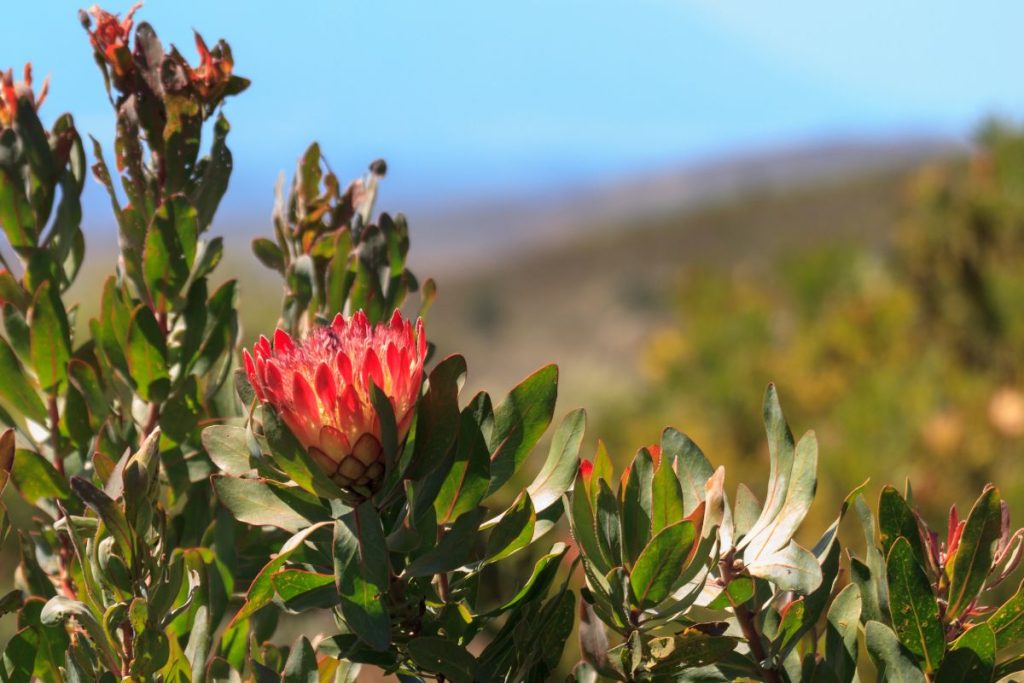
If you’re looking to experience the Breedekloof valley, staying at Eco Cabins Western Cape provides a unique opportunity to experience conservation-focused tourism in the heart of the valley. The Breedekloof valley is part of the Cape Floristic Region and is a known global biodiversity hotspot renowned for its unique ecosystems and striking plant life.
The fynbos form a rich patchwork of proteas with bright crowns and guests will see Ericas swaying in the breeze and tall restios standing quiet like the king’s guard. The Papenkuils wetland stretches out as far as the eye can see, which is green and reflective, filled with reeds, birds, insects, and other creatures. This wetland is a vital part of the valley as it quietly cleans the water and supports life all around it.
In this quick read, we explore the rich biodiversity of the Breedekloof Valley and how you can experience all these natural wonders with Eco Cabins Western Cape.
The Unique Biodiversity Of The Breedekloof Valley
Our world contains six floral kingdoms, of which the Cape Floristic Region forms part. The landscape consists of iconic indigenous plants such as proteas, Ericas and restios. Over 50% of the plant species in the Western Cape are endemic, meaning they are found nowhere else on Earth.
The Papenkuils wetland is located near our Eco Cabins Western Cape lodge. Wetlands act as natural water filters and flood buffers, essential for maintaining ecological balance in the area and supporting diverse flora and fauna. Mountain ranges surrounding the valley create varied microclimates that support a wide range of species. Many conservation projects in the valley focus on removing invasive species and restoring native habitats to protect biodiversity.
Eco Cabins Western Cape: In The Cape Floristic Region And Fynbos Biome
The Cape Floristic Region is one of the world’s six floral kingdoms and is a global biodiversity hotspot. The region is dominated by the fynbos biome, covering over 67% of the Western Cape, known for its endemic and diverse plant species. The area has more than 13,000 plant species and more than half of it is only found in the region.
The area’s signature plants are Ericas and proteas, which are both different types of fynbos. Fynbos is the backbone of the local vegetation in this area. Invasive plants pose a huge threat to this fynbos biome and result in habitat loss and climate change. Due to these challenges, the need for conservation has become critical.
Wetlands And River Systems As Ecological Anchors
The Breede River is the longest navigable river in the Western Cape province. It is the main watercourse and provides irrigation for the area. The Paenkuils wetland is a very well preserved wetland in the Breede valley region as it naturally filters water and acts as a flood buffer for the diverse habitats. Riverbanks are stabilised by the dominating palmite plants while simultaneously providing food and shelter for wildlife.
Conservation efforts are focused on the protection of these wetlands to sustain the ecological infrastructure. Water security and soil health allow farms in the area to prosper. The area’s hydric soils are sensitive and require land management to prevent degradation. Eco Cabins in the area integrate with the philosophy of sustainable integration with the environment, combining luxury type living in harmony with its surroundings.
Mountain Ranges And Terroir Influence On Biodiversity
Multiple mountain ranges border the valley, including the Du Toitskloof, Slanghoek and Hex River mountains. These mountains aid in creating climatic variation and diverse microhabitats, allowing for high levels of species and endemism. With their altitudinal gradients, these mountain rangers foster different types of vegetation types such as forests and fynbos.
Mountain ranges have served as refuges for rare and threatened species, which include small mammals and reptiles. Varied terroir influences the soil types, thus supporting diverse plant communities and vineyards. At Eco Cabins Western Cape, guests can experience these diverse ecological structures and the connectivity the valley offers.
Wildlife Of The Breedekloof Valley: A Living Landscape With Eco Cabins Western Cape
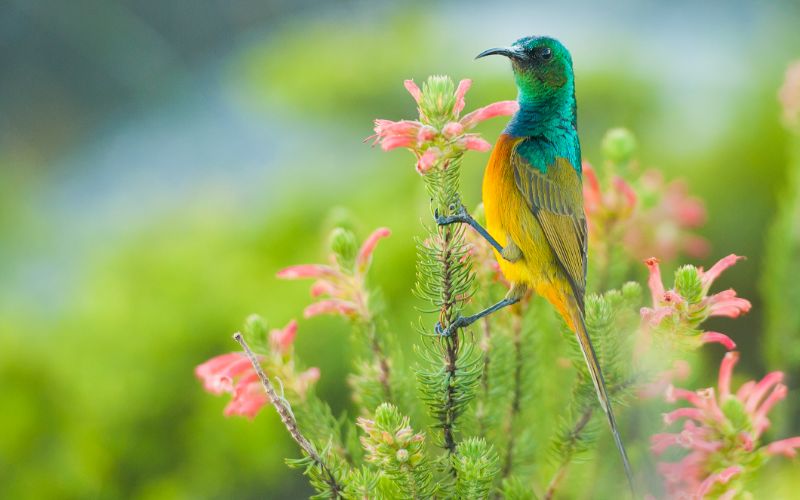
The Breedekloof valley is truly a living landscape and home to multifarious animal life. The antelopes graze in open meadows and the baboon troop march through the mountainous areas. The avian diversity is abundant with over 250 species recorded, including raptors, sunbirds and waterfowls.
One of the reptiles that choose to reside in this valley is the Cape Craig lizard, living side by side with the Cape cobra and Puff Adder. The area’s ecosystem health is dependent on the invertebrates that inhabit the region. Butterflies, bees and dragonflies pollinate the area, thus contributing to the ecosystem health.
Mammalian Species And Their Habitats
The Breedekloof valley is home to unique small antelope species such as klipspringers and grysbok. On occasion, duikers are also spotted. The area is home to baboons, who love the mountain and forest biomes. Troops are often spotted moving through the area. After the sun sets, nocturnal mammals inhabit the valley.
The elusive leopard roams the mountains on occasion, keeping a healthy predator presence. Dassies can be spotted frequently sunbathing on rocky outcrops. The tireless conservationists in the Western Cape ensure these natural habitats support the mammals who reside in them. Eco Cabins is located in this floral kingdom and offers guests the opportunity to observe wildlife in a natural setting without disturbance.
Avian Diversity: Birds Of The Valley
The Breedekloof valley is the ideal bird watching paradise with a diverse range of species from raptors to endemic fynbos birds like the orange breasted sunbird. Hawks and eagles soar above the mountain tops and river corridors. Sunbirds are known for their iridescent plumage and they feed on the nectar of the surrounding proteas and Ericas.
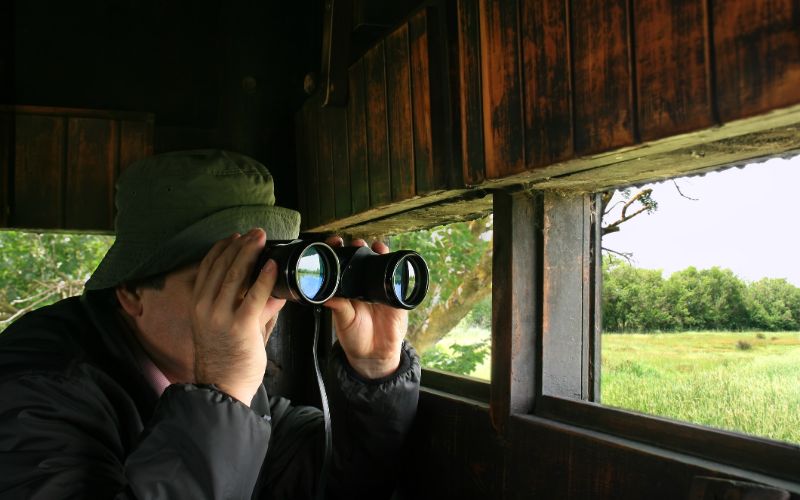
The wetlands are home to many waterfowl species. These delicate ecosystems attract the herons and kingfishers. The region’s diversity supports over 250 bird species and seasonal migration brings additional winged visitors. Bird watching from Eco Cabins Western Cape allows immersive experiences without environmental impact.
Reptiles, Amphibians And Invertebrates
The valley has no shortage of reptiles and amphibians. Many of the reptiles in the valley have adapted to fynbos and rocky habitats. The cape floristic region is home to five species of tortoises who are considered endemic to the area. This includes the Psammobates geometricus, commonly known as the geometric tortoise. A critically endangered species identified by the geometric patterns on its shell. Amphibians thrive in the wetlands here.
They play a key role in balancing the ecosystem. Insects such as bees, butterflies and dragonflies play amongst the fynbos. They are vital pollinators within the biome. The invertebrates are also endemic to the area and contribute to nutrient cycling and soil health. These habitats are monitored closely by conservators. Here at Eco Cabins, the design of our cabins considers the presence of these species to prevent damage to their habitat.
Eco Cabins Western Cape: Sustainable Accommodation In A Biodiverse Hotspot
Here at Eco Cabins, we use environmentally friendly materials to design and build our cabins. This responsible building method allows the buildings to blend into the environment. Solar panels are installed on the roofs of these cabins and provide energy, minimising the need for fossil fuels. Additionally, rainwater harvesting systems are used for water consumption and waste management systems are practiced, reducing the overall environmental impact.
The integration of these systems and the design of the cabins prioritises minimal disturbance of fauna and flora, preserving the natural habitats. Guests can enjoy a fully immersive experience in nature with panoramic views and wildlife observation. This way, eco tourism is supported in the area and our natural world is preserved for generations to come.
Eco Cabins: Responsible Building Practices
The type of materials used to build our eco cabins contributes to their responsible practice. These materials usually include reclaimed wood from old buildings, recycled steel, hempcrete, bamboo and more. Water saving fixtures or rainwater harvesting systems are installed to minimise water consumption.
The implementation of waste management systems like composting and recycling further decreases the overall footprint of eco cabins. Everything has a purpose and a life cycle, and can be reused effectively. Appliances are mostly energy efficient and powered by the sun. Power heavy geysers are replaced with solar geysers and green materials are used for insulation.
Eco Cabins Western Cape: Immersive Nature Experiences
Our busy lives often lead to a need for escapism and slowing down. Nature provides us the opportunity to breathe and rest. Our eco cabins offer panoramic views of the valleys, fynbos, wetlands and mountains. The area offers nature walks and bird watching. Guided tours are also available in the area to explore the best spots and deepen ecological understanding.
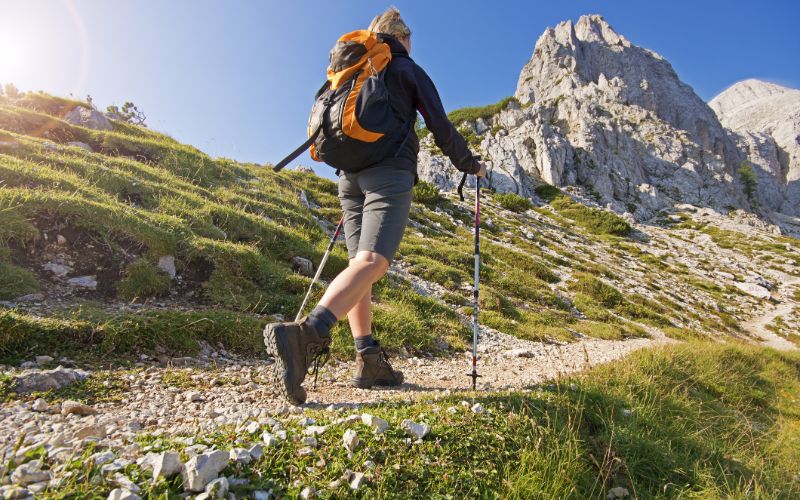
Trails lead from the cabins for hiking and mountain biking, providing opportunities for photography and wildlife observation. Our eco cabins provide a quiet retreat from the busy city to relax and appreciate nature. Here at Eco Cabins, we encourage low impact tourism that respects and fosters the environment we all share.
Supporting Conservation And Community Through Eco Cabins Western Cape
Sustainable tourism not only aids in the conservation of the environment, but also promotes benefits for local residents. Partnerships with conservation organisations protect the Papenkuils wetland and surrounding farms. Eco cabins are an example of responsible tourism which aligns with the Western Capes biodiversity Spatial Plan.
The model fosters long-term ecological resilience and social well-being in the Breedekloof Valley. Our community can benefit from local padstals and restaurants to vineyards and farms. Sustainable tourism uplifts the community and aids in job creation for local residents. The impact might seem small, but contributes to a bigger system.
Eco Cabins Western Cape: Discover Biodiversity And Sustainability
The Breedekloof valley is a biodiverse hotspot rich in endemic plants and a refuge for diverse wildlife. At Eco Cabins, we offer luxurious yet sustainable accommodation that immerses our guests in the unique natural environment of the Cape floristic region. The valleys, fynbos, wetlands and mountains support habitats for a wide range of species and creates opportunities for wildlife observation.
The eco-friendly designs of our eco cabins Western Cape minimises the impact on the environment, but maximises all the homely comforts of today. Staying at Eco cabins supports vital conservation and community initiatives in the area.
Visitors leave with a deeper understanding and appreciation for the delicate balance of biodiversity and sustainable living in the Western Cape. Escape to our eye-opening paradise where you have a moment to reflect and breathe while taking in the beauty of nature.